
If your company is VAT registered and heading towards liquidation, you might assume its VAT number will be cancelled as soon as the liquidation begins. In practice, it is not always quite that immediate. The company may have stopped normal trading but still have VAT obligations to deal with.
The VAT registration can remain active while the liquidator deals with taxable transactions, such as selling company assets. It will normally be cancelled once those activities have finished and the registration is no longer required. Here, we explain what that means for directors, outstanding VAT Returns, VAT debt and any business you intend to run in the future.
Company entering liquidation with VAT issues?
If your company owes VAT, has missing VAT returns or is about to stop trading, we can help you understand what happens to the VAT registration and what needs to be dealt with before closure.
Does Your VAT Number Get Cancelled When the Company Goes into Liquidation?
Not necessarily straight away. Entering liquidation does not in itself mean that a company’s VAT number immediately becomes invalid. A business can cease normal trading but still make taxable supplies during the liquidation process.
One of the most common examples is the sale of company assets. Stock, machinery, vehicles or other assets may need to be sold by the liquidator. Depending on the circumstances, those sales can have VAT consequences.
HMRC’s guidance for insolvency practitioners specifically says that VAT registration should not be cancelled immediately after appointment simply because the business has stopped trading. Its definition of taxable supplies includes sales of assets, so the registration may need to remain in place until those sales have been completed.
The important distinction is therefore between stopping normal trading and ceasing all taxable activity. A company might close its doors to customers on Monday but still have assets to sell several weeks or months later. Its VAT affairs may need to remain open during that period.
Don't cancel the VAT registration too early
Stopping normal trading does not necessarily mean your company's VAT registration should be cancelled immediately.
The registration may still be needed if the liquidator has taxable transactions to deal with, including the sale of company assets.
If liquidation is planned, speak to your accountant or proposed insolvency practitioner before trying to deregister the company. Not sure what applies to you? Use the form below or call Anderson Brookes on 0800 1804 935 for free, confidential initial advice.
Who Is Responsible for the VAT Registration During Liquidation?
Once a liquidator is appointed, the directors no longer manage the company’s affairs in the normal way. Responsibility for dealing with the company’s assets and many of its outstanding administrative matters passes to the liquidator. That includes its VAT position.
If you enter company liquidation, your licensed insolvency practitioner will establish what VAT information is outstanding and deal with HMRC as part of administering the liquidation.
HMRC states that where a business ceases as part of an insolvency process, the appointed insolvency practitioner or Official Receiver is responsible for applying to cancel the VAT registration when appropriate. They are also responsible for VAT on supplies made after their appointment.
As a director, however, you will still need to cooperate. Your liquidator is likely to require access to accounting records, VAT information, invoices and details of outstanding liabilities. Keeping those records available can make it considerably easier to establish the company’s correct VAT position.
What Happens to VAT Returns When Liquidation Begins?
Previous VAT Returns do not simply disappear because the company is being liquidated. HMRC normally calculates the VAT position up to the day before insolvency. It sends a paper VAT Return covering that period rather than using the company’s normal online VAT account. The return is completed from the company’s books and records. Any VAT Returns that were already overdue before insolvency must also still be dealt with.
The dates matter because VAT arising before the insolvency and VAT arising afterwards may be treated separately. For example, imagine a VAT-registered company enters liquidation after falling behind with two quarterly VAT Returns. It also owns equipment that the liquidator subsequently sells.
There are potentially two different issues to resolve:
- The historic position: the missing Returns and VAT relating to the company’s activities before insolvency.
- The liquidation period: any VAT that needs to be accounted for on taxable transactions undertaken by the liquidator, including relevant asset sales.
This is another reason the VAT registration should not necessarily be cancelled on day one. Your accountant may hold much of the information needed, but you should make sure that relevant bookkeeping records, invoices and VAT correspondence are available to the liquidator.

Is VAT debt part of the problem?
If your company cannot pay its VAT or wider debts, answer a few questions below. Anderson Brookes can review the position and explain whether liquidation or another option may be appropriate.
What Happens if the Company Already Owes VAT to HMRC?
If your company owes VAT that it cannot afford to pay, liquidation does not require you personally to find the money simply because you are a director. The debt ordinarily remains a liability of the limited company.
HMRC can make a claim in the liquidation alongside the company’s other creditors. How much ultimately gets paid will depend on the company’s assets, the nature and priority of creditor claims and the costs of administering the liquidation.
The position can be different if there are separate reasons for personal liability, but company VAT debt is not automatically transferred to the director.
If VAT arrears are a major part of the company’s financial difficulties, our guide to closing a limited company with VAT debt explains the main options. Where several different taxes are outstanding, you can also read about closing a company with HMRC debts.
Crucially, directors should not ignore VAT Returns just because there is no money available to pay the resulting bill. Establishing what is owed and actually paying it are separate issues, and accurate records remain important during the liquidation.
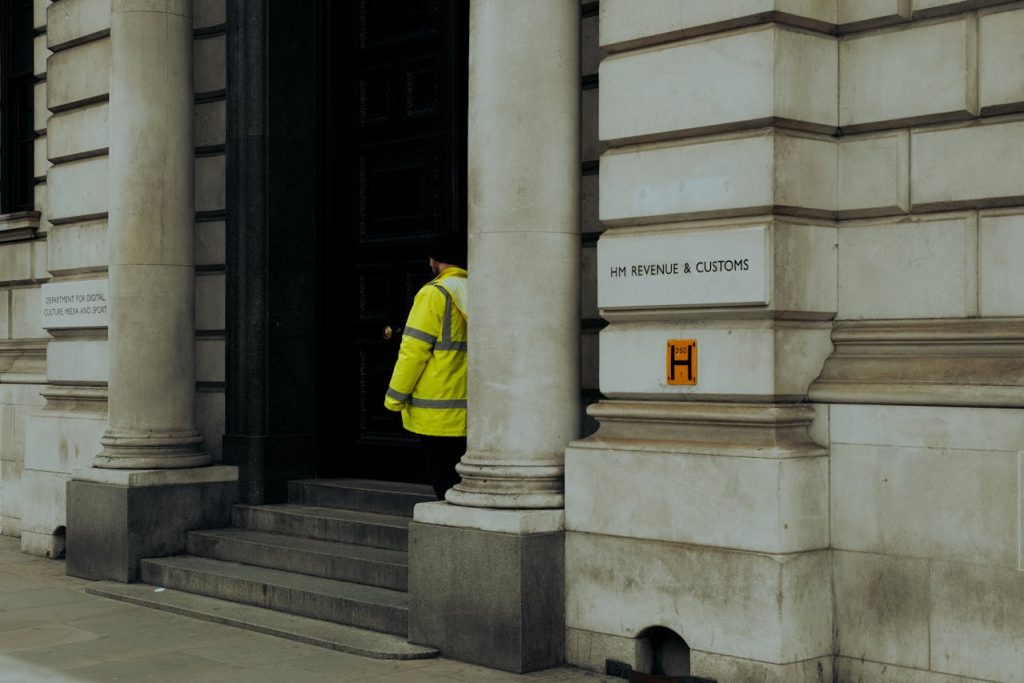
What Happens to VAT When the Liquidator Sells Company Assets?
This is one of the main reasons a VAT registration can survive beyond the date the business itself stops trading.
Suppose a VAT-registered engineering company enters liquidation with machinery, stock, office equipment and several commercial vehicles. The company might no longer be accepting work, employing its usual workforce or generating ordinary sales revenue, but its assets still need to be realised. The liquidator will determine how those assets are sold and whether VAT applies.
HMRC requires a business to be VAT registered when it issues a legally valid VAT invoice. As a result, current insolvency guidance says the registration should generally remain open until trading has ceased and asset realisation is complete where taxable sales need to be made.
That does not mean VAT will necessarily be charged on every single asset sale. VAT treatment depends on the asset and the circumstances of the disposal.
What it does mean is that directors should not try to cancel the company’s VAT registration themselves simply because they know liquidation is about to happen. The insolvency practitioner needs to assess what remains to be sold and when deregistration should take place.
Company can’t afford its VAT bill?
Unpaid VAT can be dealt with as part of the company’s wider insolvency position. Speak to us before creditor pressure or HMRC action escalates.
When Is the VAT Registration Finally Cancelled?
Once taxable activities have ended and the registration is no longer needed, the liquidator can arrange for it to be cancelled. HMRC confirms an official cancellation date when VAT registration ends. From that date, the company must stop charging VAT.
There can still be work to complete afterwards. For example, a final VAT Return may be required, while records relating to the company’s VAT affairs generally need to be kept for six years. HMRC’s general guidance on cancelling VAT registration also explains that stock and other assets held at cancellation can sometimes create a VAT liability where VAT was previously reclaimed.
In an insolvent liquidation, these matters will normally be managed by the insolvency practitioner rather than the director trying to complete the deregistration independently.
The important point is that cancelling the VAT number and finishing every VAT matter are not necessarily the same event.
Can the Company Still Receive a VAT Refund?
Potentially, yes. Liquidation does not automatically remove a company’s entitlement to VAT that it can legitimately reclaim. If the company’s VAT position results in money being due from HMRC, that money belongs to the company rather than its directors or shareholders personally. It is dealt with as part of the company’s financial position in the liquidation.
HMRC also has specific procedures allowing liquidators to claim certain input VAT after registration has been cancelled. The exact position can become more complicated where the company both owes HMRC money and appears to be entitled to a tax repayment, so this is something your insolvency practitioner will need to assess from the company’s records.
If you expect a significant VAT refund, tell the practitioner dealing with your case rather than assuming the money has been lost because the company is closing.
Can You Use the Same VAT Number for a New Company?
You should not simply start using the liquidated company’s VAT number for another limited company. A new limited company is a separate legal entity. If it needs to be VAT registered, it will normally need to establish its own VAT position and obtain the appropriate registration before charging VAT.
There are circumstances in which HMRC permits an existing VAT registration number to be formally transferred, such as where ownership of a business changes. This requires the appropriate VAT registration process and form VAT68. It is not the same thing as a director taking the VAT number from an insolvent company and using it for a new business.
If you plan to start another company following liquidation, speak to your insolvency practitioner and accountant about the correct VAT arrangements. Never put the old VAT number on invoices simply because the new business has a similar name, serves the same customers or operates in the same industry.
Planning to trade again after liquidation?
Closing one company does not automatically prevent you from running another, but the new business will need the correct VAT arrangements. We can help you understand the liquidation side before you move forward.
What Should Directors Do About VAT Before Liquidation?
If your business is approaching liquidation, you do not need to resolve every VAT issue yourself before speaking to an insolvency practitioner. There are, however, several things you can do to make the process easier.
Keep your VAT records accessible
Make sure your accountant or insolvency practitioner can access VAT Returns, invoices, bookkeeping records and relevant HMRC correspondence.
Keep copies of the information where possible rather than relying entirely on access to accounting software that may later change or be restricted.
Identify any missing VAT Returns
Check whether any VAT Returns are overdue and tell your insolvency practitioner which accounting periods are outstanding.
Do not assume missing Returns no longer matter because the company cannot afford to pay the resulting VAT bill.
Confirm what the company owes HMRC
Provide your latest available VAT balance together with details of any payment demands, Time to Pay arrangements or enforcement action.
If the company also owes PAYE, Corporation Tax or other HMRC liabilities, make sure these are identified as part of the wider insolvency position.
Flag any VAT refund you expect
If your records suggest the company is due a VAT repayment, tell the insolvency practitioner dealing with the liquidation.
Any repayment belongs to the company and will need to be dealt with as part of the liquidation rather than paid to directors personally.
Don't deregister simply because trading has stopped
The VAT registration may still be required while taxable company assets are being sold during the liquidation.
Let the insolvency practitioner assess when taxable activity has finished and when it is appropriate to cancel the registration.
Speak to a licensed insolvency practitioner
If the company cannot pay its VAT or wider debts, get advice before making further payments, disposing of assets or trying to close the VAT registration yourself.
At Anderson Brookes, we can review the company's position and explain whether liquidation is appropriate and what needs to happen next.
VAT and Company Liquidation FAQs
Is a VAT number cancelled automatically when a company goes into liquidation?
No. Entering liquidation does not automatically cancel the company’s VAT registration. The registration may need to remain active while the liquidator deals with taxable transactions, including the sale of company assets. It will normally be cancelled once taxable activity has ended and the registration is no longer required.
Can a company still charge VAT while in liquidation?
Potentially, yes. If the company remains VAT registered and the liquidator makes taxable supplies, VAT may still need to be charged. This can be relevant when stock, machinery, vehicles or other company assets are sold during the liquidation.
Do overdue VAT Returns still need to be filed before liquidation?
Outstanding VAT Returns do not disappear because the company enters liquidation. The historic VAT position still needs to be established, although the insolvency process affects how Returns are submitted and how any resulting debt is dealt with. Give your insolvency practitioner details of any Returns you know are outstanding.
What happens if my company cannot pay its VAT bill?
If the company cannot pay its VAT and is insolvent, the VAT debt will usually remain a liability of the company. HMRC can make a claim in the liquidation alongside other creditors. The debt does not automatically become the director’s personal responsibility simply because the company enters liquidation.
Can a liquidated company receive a VAT refund?
Yes, in some circumstances. If VAT is legitimately due back to the company, liquidation does not automatically remove that entitlement. Any repayment belongs to the company and will normally be dealt with by the insolvency practitioner as part of the liquidation.
Can I use my old company's VAT number for a new company?
You should not simply start using the liquidated company’s VAT number for a new limited company. The new company is a separate legal entity and will normally need its own VAT registration. VAT numbers can be formally transferred in certain circumstances, but this requires the appropriate HMRC process and should not be assumed to apply when starting again after liquidation.
When should the VAT registration be cancelled?
The registration will generally be cancelled once the company has stopped making taxable supplies and it is no longer needed for activities carried out during the liquidation. The insolvency practitioner will normally assess the appropriate point for deregistration.
What happens to VAT on company assets sold during liquidation?
VAT may be due when certain company assets are sold. The precise treatment depends on the asset and the circumstances of the sale. This is one reason the VAT registration may remain active after normal trading has stopped.
Get Help With VAT and Company Liquidation
A company’s VAT affairs do not stop the moment its normal trading activity does. Outstanding Returns may still need to be completed, VAT debt needs to be included in the insolvency, and the VAT registration can remain active while the liquidator sells taxable assets.
You do not need to work through those issues alone before taking action. If your company cannot pay VAT, other HMRC liabilities or its wider debts, a Creditors’ Voluntary Liquidation may provide an orderly way to close an insolvent business. A licensed insolvency practitioner takes control of the process, deals with creditors and handles the company’s outstanding affairs.
At Anderson Brookes, we help directors understand whether liquidation is appropriate and what needs to happen next. If VAT debt or uncertainty around your company’s tax position is making it difficult to know how to proceed, speak to Anderson Brookes for clear, confidential advice from a licensed insolvency practitioner.