
A company does not have to shut its doors before trouble starts to show. In many cases, the early signs of insolvency appear while the business is still open, still invoicing and still trying to keep up with day-to-day costs.
That is what makes this stage so difficult. Trading can make things feel under control for a while. But when cash is constantly tight, creditor pressure is building and there is no clear way to catch up, continuing to trade can become part of the problem rather than the solution.

What Are the Early Signs of Insolvency?
Insolvency often starts showing up in day-to-day decisions long before any formal action begins. You may be delaying payments, relying on incoming funds that have not arrived yet, or struggling to keep up with what the company owes.
In simple terms, insolvency means the business can no longer pay its debts when they fall due, or its liabilities have grown beyond what it can realistically support. That can happen even while the company is still trading. This is one of the reasons why the early signs of insolvency can be easy to miss. Understanding corporate insolvency before creditor action forces the issue is key.
Warning Signs to Watch Out For
The early signs of insolvency are often easy to miss because they build steadily through everyday financial pressure.

You may notice that cash flow never quite catches up. Money comes in, but it leaves just as quickly. VAT, PAYE or supplier payments are delayed because something else has to be paid first. One difficult week turns into several months of juggling.
You may also start relying on future income to solve current problems. A large invoice, a new contract, a refinance or a strong month ahead becomes the answer to everything. Looking ahead is part of running a business, but you also need to know whether the company can manage if that future payment does not come in on time.
Other warning signs are more visible. Suppliers may tighten terms. HMRC arrears may become an ongoing issue instead of a short-term setback. Direct Debits may fail. An overdraft may be permanently stretched. Wages may begin to feel like the hardest payment of the month. Directors sometimes put personal funds into the company just to keep essential costs moving, without a realistic plan for how the business will recover.
If any of that sounds familiar, it may be a sign that your company is moving beyond a temporary cash squeeze and into more serious financial difficulty. Government guidance is clear that if a company cannot pay its debts, creditors can take formal steps to recover what they are owed.
If you’re worried that your company may be insolvent, contact Anderson Brookes. Our licensed insolvency practitioners can provide you with the advice you need. Call 0800 1804 935 or email advice@andersonbrookes.co.uk.
Why Trading Can Hide the Problem
During early insolvency, there may be little sign of financial difficulty. From the outside, the business may still look busy and settled, with orders coming in, staff working as normal and customers unaware of the pressure behind the scenes.
That can create false reassurance. Trading activity is not the same as financial stability. A company can be busy and still be losing ground every week. In some cases, extra work even adds pressure because the business needs more stock, labour or credit to deliver it, while old arrears remain unpaid.
This is often where directors get stuck. Carrying on can feel responsible. Closing or seeking advice can feel premature. But there comes a point where staying open is no longer buying time in a useful way. It is simply delaying a decision while losses deepen.
The Risk of Continuing to Trade
Continuing to trade is not automatically wrong. Some businesses do recover with the right support, better forecasting and a realistic plan. But trading becomes risky when the company is taking on new obligations with no clear prospect of meeting them.
At this stage, directors need to slow things down and look at the facts. Are you paying debts as they fall due, or simply moving pressure around? Are losses getting worse? Is there a genuine turnaround route, or are you waiting for one good month to rescue a problem that has been growing for much longer?
This matters because directors’ duties do not disappear just because the company is still operating. As Insolvency Service advice makes clear, those duties still apply if the company is insolvent, whether trading has stopped or not.
Signs that the Pressure Is Escalating
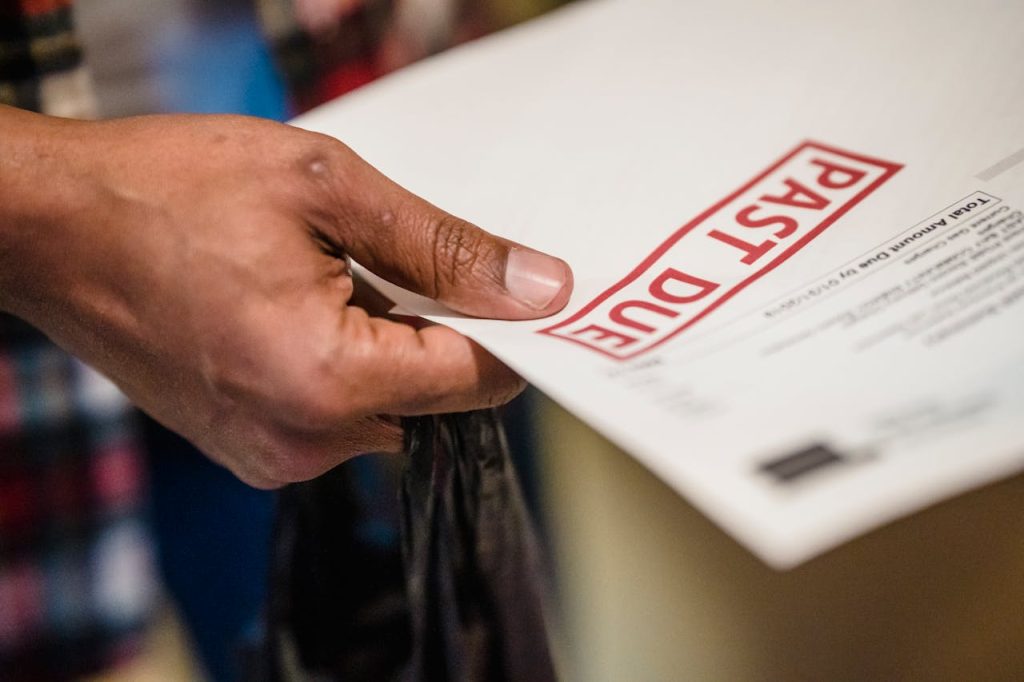
There is often a point where internal pressure turns into external pressure. At first, that may look like firmer reminder letters, more frequent phone calls or suppliers refusing further credit. Then the language changes. You may receive formal demands, threats of legal action or notice that a creditor is preparing to take the matter further.
Common signs of escalation include:
- County court claims or judgments
- Statutory demands
- Debt recovery action from HMRC or creditors
- Threats of a winding-up petition
By that stage, there is usually less time and flexibility to deal with the problem calmly. That is why waiting for a final warning is rarely a good strategy. By the time formal action arrives, the stress is higher, the options may be narrower and the risk to the business can rise quickly.

What to Do Next
If you recognise these early signs of insolvency, the most useful next step is not to panic. Start by looking at the real picture. What is owed, to whom, and by when? Which payments are already behind? What money is realistically due in, and when? Which parts of the business are profitable, and which are not?
Be careful about taking reactive decisions. Paying the loudest creditor first may buy a few days of peace, but it does not always improve the wider position. Making promises you cannot keep can also make matters harder.
A simple approach to take is to:
- Review the company’s cash flow and liabilities properly.
- Keep records of decisions and creditor pressure.
- Stop relying on guesswork or best-case assumptions.
- Take advice before legal action gathers pace.
This is also the point to look honestly at your wider business debt position. Sometimes there is still a viable business underneath the pressure. Sometimes there isn’t. The earlier you know which is true, the better.
Rescue or Closure?
Not every struggling company needs to close immediately. In some cases, the problem is timing, concentration of debt or short-term disruption rather than a business model that no longer works. A rescue route may still be possible if the company can stabilise, negotiate sensibly and return to a workable footing.
In other cases, closure is the safer and more responsible option. If the company has no realistic way to clear arrears, no credible recovery plan and rising creditor pressure, an orderly process may reduce further harm.
That is why balanced advice matters. The right answer depends on the facts. At Anderson Brookes, we help directors look at the position clearly and understand the practical options available. That may mean exploring whether the business can continue in some form. It may also mean understanding when to consider a CVL if the company cannot recover.
Different sectors can also show stress in different ways. In project-led industries, delayed payments, retention issues and rising costs can hide problems until they become acute. This is one reason why construction insolvency often has its own pattern of warning signs.
The important thing is not to assume that still trading means the safest option is to carry on unchanged.
Why Acting Early Matters
Early action does not mean rushing into a formal process. It means giving yourself the best chance of making a sound decision while there is still time to make one.
When directors act early, they usually have more room to review the numbers, protect value and choose between realistic options. When they delay, creditor pressure tends to increase, losses can deepen and the emotional strain makes clear thinking harder.
Anderson Brookes takes a calm, regulated and practical approach to these situations. We know that many directors are trying to do the right thing in difficult conditions. What matters is recognising when still trading is helping, and when it is simply masking a problem that needs to be dealt with properly.

Get Advice at the Right Time
If you are seeing early signs of insolvency, it helps to talk things through before the pressure becomes harder to manage. Anderson Brookes can help you understand your position, look at the options in front of you and decide on the most appropriate next step for your company.
Call us today on 0800 1804 935, email us at advice@andersonbrookes.co.uk or contact us online.