
When a company is under financial pressure, one of the biggest worries is what happens next. You might be asking who gets paid first, what happens to the people you owe, and whether there is still a way to steady things.
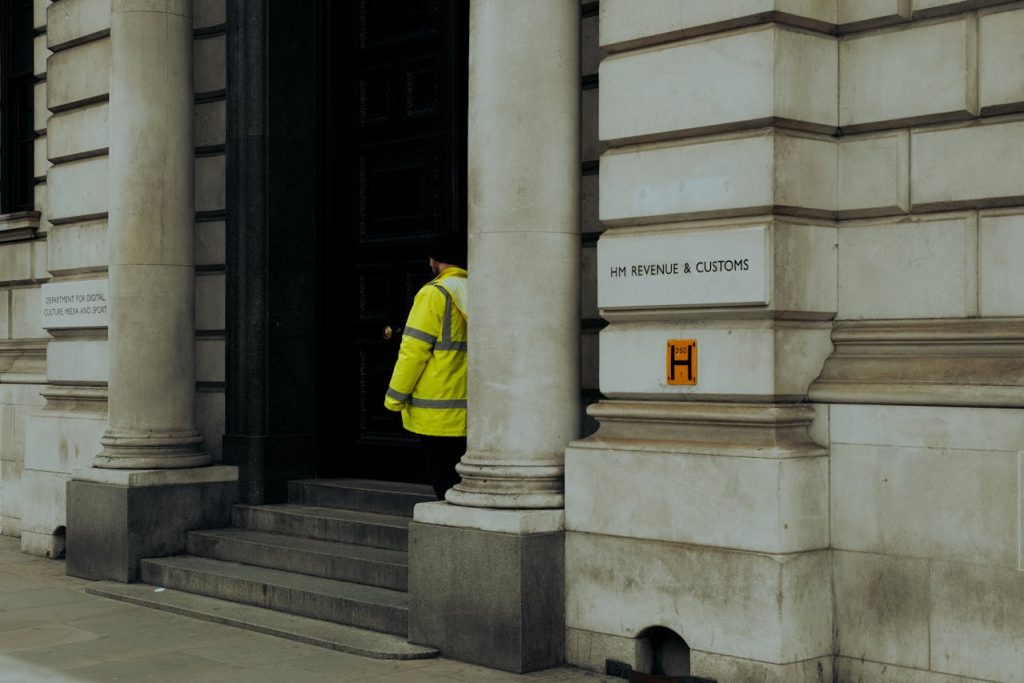
HMRC’s position as a secondary preferential creditor can affect the outcome if things become formal. At Anderson Brookes, we explain what it means in plain English so you can make decisions based on facts, not fear.
What Does “Secondary Preferential Creditor” Mean?
In insolvency, debts are paid in a set legal order. Some debts are treated as higher priority than others, depending on what they relate to and whether any security is involved.
A “secondary preferential creditor” is a creditor that ranks ahead of ordinary unsecured creditors for specific categories of debt. In simple terms, it means certain amounts owed to HMRC are treated as higher priority than many other debts the company may have.
That does not mean HMRC sits above everyone. It means HMRC ranks higher than unsecured creditors for certain taxes and deductions, and that can change what is left for others once the company’s assets are realised.
What Changed and When?
The order of creditors in liquidation changed for insolvency procedures that start on or after 1 December 2020, when HMRC became a secondary preferential creditor for certain taxes and deductions.
The reasoning is that some of these amounts are collected by businesses on behalf of others, rather than being money that belongs to the business. Parliamentary material describes these as amounts collected and held on behalf of other taxpayers.
You may also hear people call this the “return of Crown preference”. It is shorthand for HMRC moving higher up the payment order for certain debts.

Which HMRC Debts Are Covered?
This is where clarity matters. Secondary preferential status does not apply to everything. HMRC’s secondary preferential status generally covers:
- VAT
- PAYE Income Tax
- Employee National Insurance contributions
- Construction Industry Scheme deductions
- Student loan deductions
HMRC remains an unsecured creditor for taxes that are directly on the business, such as Corporation Tax and (in most cases) employer National Insurance contributions.
In real life, companies often owe a mix of different tax liabilities at the same time, and it becomes harder to think straight when it all blurs into one number. If you are trying to untangle that, it can help to separate out your HMRC debts by type and period, so you can see what is overdue, what is current, and what is growing fastest.
Need help with tax and HMRC? The licensed insolvency practitioners at Anderson Brookes are here to support you. Call us on 0800 1804 935 or email advice@andersonbrookes.co.uk.
Why It Matters in Practice
Most directors do not need to memorise the legal categories. What matters is how the change can affect outcomes, especially where VAT and payroll-related arrears are a big part of the picture.
Less May Be Left for Unsecured Creditors
If HMRC ranks higher for VAT and payroll-related arrears, that can reduce what is available for ordinary unsecured creditors such as suppliers, landlords, customers, and contractors.
This can be relevant even before anything becomes formal. If your suppliers sense that HMRC arrears are building, they may tighten terms, reduce credit, or ask for payment up front. That can put further strain on cash flow and make recovery harder.
Pressure Can Build Quickly When VAT and PAYE Fall Behind
VAT and PAYE often recur month after month or quarter after quarter. Once you fall behind, the arrears can grow quickly. Many directors intend to catch up “next month”, but the next bill arrives before the last one has been cleared.
Secondary preferential status does not cause the arrears. But if things tip into a formal process, it can change how those arrears sit in the wider picture and how much is left after higher-priority claims are paid.

It Can Influence What Is Realistic
When you are considering options, the mix of debts matters. For example, a business that owes a small amount of HMRC debt and has stable cash flow may have more room to negotiate and recover than a business with rising VAT and PAYE arrears and no breathing space.
This is where early advice can make a difference. It is not about jumping to the worst-case scenario. It is about seeing the situation clearly and choosing a next step that actually works.
What It Means for Directors of Limited Companies
If your company owes HMRC, you might be feeling pulled in different directions. You want to keep trading, protect jobs, and avoid making a situation worse. At the same time, letters and calls can make everything feel urgent. Here are a few patterns we often see.
The “temporary dip” that becomes the norm
A short-term cash flow issue leads to a missed VAT or PAYE payment. The plan is to catch up next month. But the next bill arrives, and it becomes two months behind. After that, it becomes normal to be behind, and the gap keeps widening.
The “firefighting” cycle
Money meant for VAT is used to pay urgent suppliers. Then money meant for suppliers is used to pay wages. Then money meant for wages is used to pay HMRC. The business may still be busy, but cash flow never settles, and every week becomes a decision about what can be left unpaid.
The “unaffordable plan” trap
A repayment plan is agreed, but it is not truly affordable. It works for a month or two, then fails when something predictable happens, like a slow month, a big supplier bill, or a customer paying late.
None of this makes you a bad director. It usually means the business has reached a point where the numbers do not work without a change. The aim is to work out whether the company can realistically recover, or whether a formal route is the safest way to reduce risk and pressure.
Sectors We Support
We support company directors in every sector, from construction firms and logistics companies to pubs, cafés, restaurants, hotels, retailers and manufacturers. Our advice is always clear, confidential and shaped by real experience in your industry. Whether you’re dealing with unpaid tax, supplier pressure or falling income, our team understands the challenges and will guide you through the best next steps.
If Liquidation Is On the Table
Some companies can be saved. Others cannot. Sometimes the most responsible step is to stop the stress building and bring matters to a proper close.
Company liquidation is a formal process that closes a limited company and deals with its debts in a structured way. Any funds available are distributed according to the legal order.
For many directors, liquidation is not about “walking away”. It is about drawing a line under an unmanageable situation properly, and protecting yourself from months of mounting arrears and uncertainty.

Things to Consider Early
1. Costs
Uncertainty about liquidation costs can add pressure at exactly the wrong time. Costs vary depending on the type of liquidation and the complexity of the company’s affairs, so it helps to have a realistic expectation before decisions are rushed.
2. Assets and day-to-day decisions
Directors often worry about what happens to vehicles, stock, equipment, funds in the bank, or ongoing contracts. Rushed decisions can create complications later. It is usually safer to slow down, get advice, and handle matters in a way that is appropriate when managing company assets during liquidation.
Free Confidential Advice & Quote


FAQs
Does this mean HMRC always gets paid first?
No. The payment order depends on the type of debt and the type of security involved. HMRC’s secondary preferential status affects certain taxes and deductions, but there are still other categories that rank above it in many cases.
Which taxes does HMRC’s secondary preferential status usually cover?
In general, it covers VAT and certain “relevant deductions” like PAYE income tax, employee NICs, CIS deductions, and student loan deductions.
Does it cover Corporation Tax?
Corporation Tax is typically not included in the secondary preferential category and is commonly treated as an unsecured claim.
Does this mean liquidation is inevitable if you owe VAT or PAYE?
Not necessarily. It is a sign the situation needs attention, but many companies can stabilise, negotiate, or restructure depending on the numbers and the underlying business. Early action usually gives you more options.
Can directors be personally liable for company tax debts?
Usually, company tax debts are company debts. Personal risk depends on the facts, including behaviour and circumstances around insolvency. If you are worried about this, it is worth getting advice early rather than guessing.
What should I do if VAT and PAYE arrears are building?
Start by getting clarity on what is overdue and what is due next, then check what is realistically affordable. Avoid agreeing to payments that cannot be sustained. If the gap is widening, it is worth getting a calm view of your options sooner rather than later.
Next Steps
HMRC’s secondary preferential creditor status means certain taxes and deductions can rank higher than unsecured creditors in insolvency, particularly where VAT and payroll-related arrears are involved. If HMRC arrears are building, it is worth stepping back and looking at the position clearly.
If you want a calm, practical view of where you stand and what your safest next step looks like, Anderson Brookes can help you work through the options and reduce the pressure. To speak to our licensed insolvency practitioners, call 0800 1804 935, email us at advice@andersonbrookes.co.uk, or get in touch online.
