
If you have unpaid invoices, you are not the only one. Late payment is common, and it can quickly snowball into cash flow pressure, difficult choices, and worry about your next VAT bill. It can feel especially unfair when you realise you have already paid VAT to HMRC on money you still have not received. This is where VAT bad debt relief can help.
If you meet the conditions and keep the right records, you may be able to reclaim VAT on qualifying unpaid invoices. In this guide, we explain what counts, how to claim, and the common mistakes to avoid, in plain English.
What Is VAT Bad Debt Relief?
VAT bad debt relief is a way to reclaim VAT on unpaid invoices when you have already accounted for that VAT to HMRC, but the customer has not paid you.
It is not automatic. You have to claim it, and HMRC expects you to be able to show, clearly, why the debt qualifies and how you calculated the VAT you are reclaiming.
If you are under pressure with VAT, HMRC may also take a harder look at your position, including situations where a VAT security deposit is requested.
Quick Eligibility Checklist
Bad debt relief is usually straightforward when the basics are in place. Use this checklist first:
- You charged VAT on the sale and accounted for it to HMRC.
- The invoice is still unpaid, in full or in part.
- The debt is written off in your normal business accounts and moved into a separate bad debt account.
- At least 6 months have passed since the later of the payment due date or the date of supply.
- You are within the time limit to claim, which is 4 years and 6 months from the later of the payment due date or the date of supply.
If you use a scheme where VAT is only paid when you get paid (for example, cash accounting), you generally would not need bad debt relief in the same way, because you will not have paid VAT on money you never received.
Need support with cash flow and insolvency issues? Contact Anderson Brookes today: call 0800 1804 935 or email advice@andersonbrookes.co.uk.
Which Debts Qualify?
A qualifying debt is usually an ordinary trading invoice where:
- You made a taxable supply.
- You issued a VAT invoice.
- You included the VAT on a VAT Return.
- The customer did not pay, even after time passed.
Common Qualifying Examples
You may be able to claim VAT bad debt relief if:
- The customer has gone quiet and the invoice is well overdue.
- The customer has made a part-payment, but a balance remains unpaid.
- You are still chasing, but you have decided to write off the debt in your accounts (you can still pursue payment, but the accounting treatment matters for the claim).
Common Non-Qualifying Examples
You cannot normally claim VAT bad debt relief if:
- You have sold, assigned or factored the debt in a way that means you no longer own the right to the payment.
- You have not written it off properly and moved it into a separate bad debt account.
- It has not been 6 months since the later of the payment due date or the date of supply.
- You are outside the 4 years and 6 months deadline.
If overdue invoices are starting to push you into arrears, it helps to take stock early. If you can’t pay VAT, you still have options. Get in touch with Anderson Brookes on 0800 1804 935.

How to Claim VAT Bad Debt Relief: Step By Step
1. Confirm the Key Dates
You need two dates:
- The date of supply (usually when the goods were supplied or the service was performed).
- The payment due date (from your agreed terms).
Your 6-month waiting period runs from the later of those two dates.
2. Write the Debt Off Correctly
For HMRC, “written off” is not just a decision in your head.
You need to write the debt off in your normal business accounts, and you need to move it from your sales ledger into a separate bad debt account.
If your bookkeeping is messy right now, do not panic. This is usually fixable, but it is worth getting it tidy before you claim.
3. Work Out How Much VAT You Can Reclaim
You reclaim the VAT element of what is still unpaid, not the gross invoice value.
Simple example (20% VAT):
- Invoice total: £1,200
- Net: £1,000
- VAT: £200
- If nothing is paid, your bad debt relief claim is £200.
If the customer part-pays, you only claim the VAT on what remains unpaid.
4. Put the Claim Through Your VAT Return
Bad debt relief is claimed via your VAT Return. In most cases, you include the VAT you are reclaiming in Box 4 for the VAT period in which you become entitled to claim.
HMRC’s detailed guidance is in VAT Notice 700/18.
5. Keep the Records HMRC Expects
If HMRC ever asks, you should be able to show:
- The original VAT invoice details.
- The amount written off.
- The VAT amount you claimed.
- The VAT period of the original supply and the VAT period you claimed relief.
- Evidence that the invoice remained unpaid at the time of the claim.
Good record-keeping is not about perfection. It is about being able to answer questions without stress.
What If the Customer Pays Later?
Bad debt relief is not a “one and done” adjustment. If you later receive payment (even a part-payment) for a debt you have claimed relief on, you normally have to pay HMRC back the VAT element relating to the amount recovered.
This catches people out because it can happen months later, when you have mentally moved on. A simple monthly check of “old bad debts that got paid” can save you a nasty surprise.
Input VAT on Supplier Bills You Have Not Paid
Here is a point that is often missed when cash is tight.
If you reclaimed input VAT on a supplier invoice but you have not paid that supplier within a set period, HMRC rules can require you to repay the input VAT (often referred to as a “6-month rule” for unpaid purchase invoices). This can affect your VAT bill at exactly the wrong time.
If you are seeing both unpaid sales invoices and unpaid supplier invoices piling up, it is worth looking at your VAT position as a whole, not invoice-by-invoice.
Deregistered for VAT or Closing the Business?
You can still have VAT loose ends after you cancel your VAT registration. HMRC sets out a process to reclaim VAT or tell HMRC VAT is due when VAT registration is cancelled, including where you need to reclaim VAT after deregistration.
In plain terms: if you are no longer filing normal VAT returns, you may need to use the route HMRC provides for post-deregistration claims, rather than trying to force it through a return you no longer submit.
If closure is on the table, it is important to get clear advice early, particularly if you are considering closing a company with VAT debt or wider company closure with HMRC debts.
Common Mistakes that Delay Claims
You don’t need to be an expert to get bad debt relief right. Most problems come from a few repeat issues.
Claiming Too Early
The 6-month point matters. If you claim before you are entitled, HMRC can disallow the claim.
Missing the Deadline
If you leave it too long, you can lose the right to claim. The 4 years 6 months limit is a real cut-off, not a guideline.
Not Writing Off the Debt Properly
HMRC expects to see the debt written off in your normal accounts and moved into a separate bad debt account. If that trail is missing, claims can be challenged.
Weak or Scattered Records
If you cannot show the invoice, the VAT treatment, and the write-off, you are exposed. HMRC guidance sets out the record requirements clearly.
Forgetting to Repay VAT When You Get Paid Later
This is easy to miss, especially if a debt collection agency recovers money long after the write-off. You usually need to account for the VAT element when the payment arrives.
Sectors We Support
We support company directors in every sector, from construction firms and logistics companies to pubs, cafés, restaurants, hotels, retailers and manufacturers. Our advice is always clear, confidential and shaped by real experience in your industry. Whether you’re dealing with unpaid tax, supplier pressure or falling income, our team understands the challenges and will guide you through the best next steps.
How Unpaid Invoices Can Affect Your Standing with HMRC
Bad debt relief can reduce the VAT hit from non-paying customers. But it does not always solve the wider problem, especially if your cash flow is tight and HMRC letters are landing.
If you are behind, you deserve a plan that helps you breathe again. At Anderson Brookes, we help you understand your options, deal with HMRC pressure, and choose the route that fits your situation. That can include negotiating time to pay, or exploring formal insolvency solutions where continuing is no longer realistic.
If you can’t pay a tax bill, it is often possible to take control before enforcement escalates. And if you are weighing up formal processes, being clear on the costs associated with liquidation can make decisions feel less daunting.
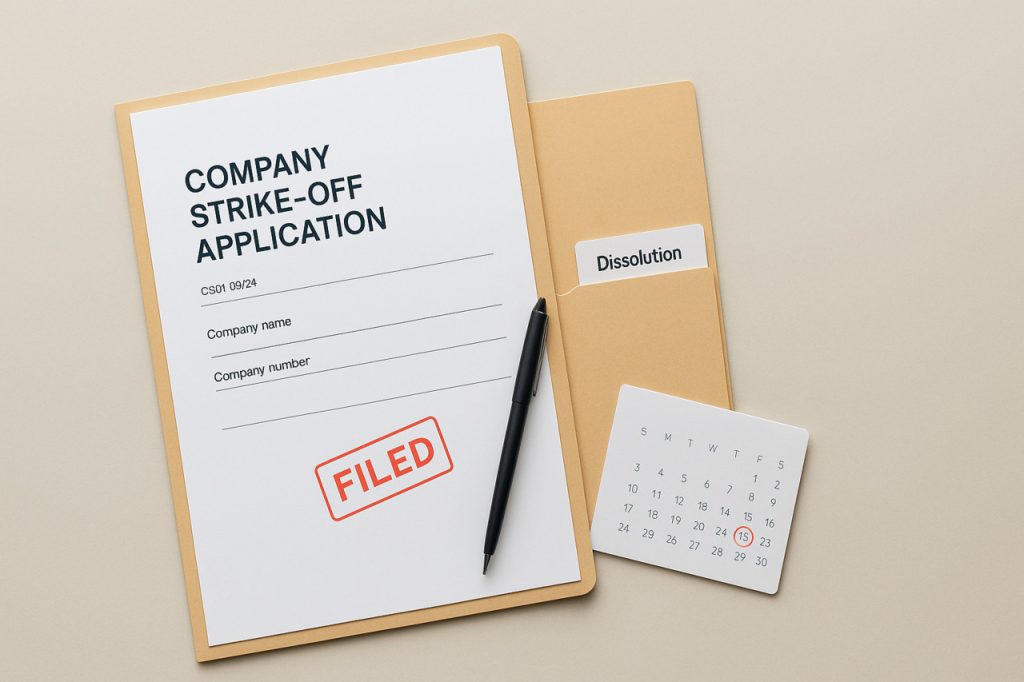
Thinking About Strike-Off?
Strike-off can sound like a clean finish. But it is not a debt solution if liabilities still exist.
If strike-off is on your mind, take a moment to understand the tax implications of striking off a company before you act. Getting this wrong can create more stress later.
Free Confidential Advice & Quote

FAQs: VAT Bad Debt Relief
When can I claim bad debt relief?
Usually once the debt is unpaid for at least 6 months from the later of the payment due date or the date of supply, and you have written it off correctly.
How long do I have to make the claim?
The deadline is generally 4 years and 6 months from the later of the payment due date or the date of supply.
Do I need to stop chasing the customer to claim?
No. You can continue recovery action. The key is that, for VAT purposes, the debt has been written off in your accounts and meets the conditions.
What if the customer pays after I have claimed?
You normally need to account for and repay the VAT element on the amount you recover.
Can I claim after VAT deregistration?
Possibly, but you may need to use the route HMRC sets out for reclaiming VAT after VAT registration is cancelled, rather than a normal VAT return.
Will bad debt relief reduce what I owe HMRC right now?
It can reduce your net VAT liability for the VAT period you claim in, but it depends on your overall VAT position (output VAT, input VAT, and any other adjustments).
Get Clarity and Support
Bad debt relief can be a real help. But timing, write-offs, and paperwork matter. If any part of it feels unclear, you do not have to figure it out alone.
At Anderson Brookes, we will talk you through your VAT position in plain English, help you claim what you are entitled to, and support you if VAT problems are part of a bigger financial picture. If you are worried about where things are heading, it is often easier to fix early than to firefight later.
Call us today on 0800 1804 935 for advice. You can also get in touch with us via email at advice@andersonbrookes.co.uk, or visit our contact form.
