
Retention payments can look like a normal part of construction work. You finish the job, send your application or invoice, then wait for part of your money to be released later. On paper, it is meant to protect against defects or incomplete work.
In practice, delayed or unpaid retention payments can put serious pressure on cashflow. You may still need to pay wages, suppliers, plant hire, VAT and HMRC while waiting for money you have already earned.
At Anderson Brookes, we speak to many business owners who are not dealing with one single debt problem, but a chain reaction caused by late payment, thin margins and creditor pressure.
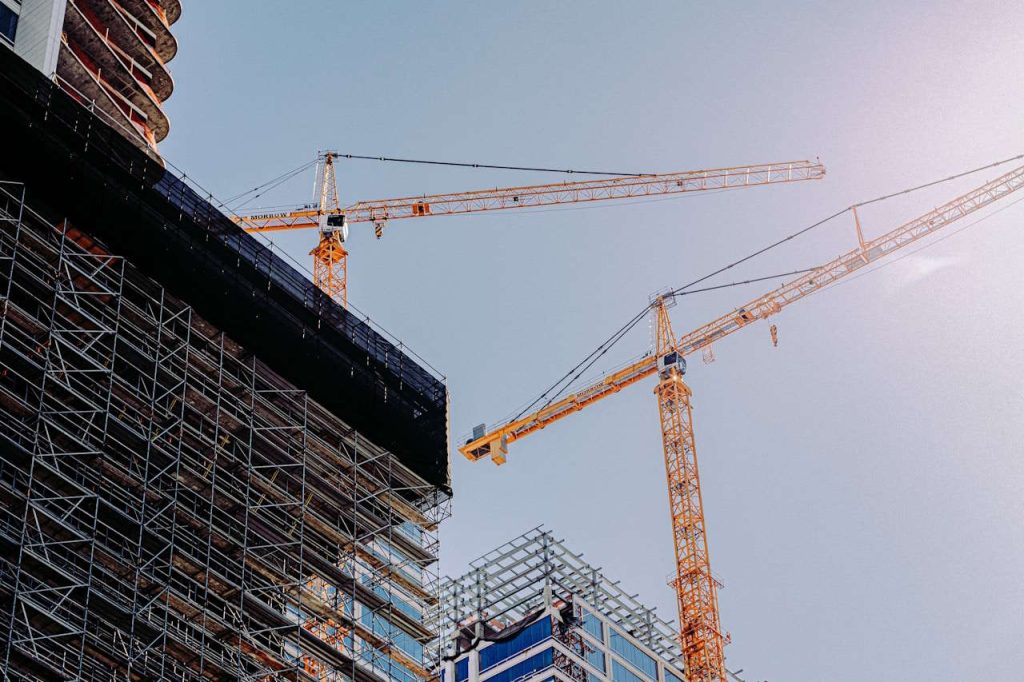
What Are Retention Payments?
Retention payments are sums held back from payments due under a construction contract.
They are often deducted from interim payments. The money is usually meant to be released in stages. For example, part may be paid at practical completion, with the rest due after the defects liability period.
The purpose is to give the client or main contractor some protection if work is incomplete or defects need putting right. That is the theory.
The problem is that construction retention payments can create a major cashflow gap. You may have paid for labour, materials and subcontractors, but still be waiting for the final part of your income.
In some cases, the retention is released late. In others, it is disputed. Sometimes it is reduced without clear explanation. If the paying party becomes insolvent, the money may be very difficult to recover.
That is why retention payments are not just a contract issue. They can become a cashflow issue, a tax issue and, in some cases, an insolvency issue.
What Is the Government Proposing?
The Government has proposed a ban on the practice of deducting and withholding retention payments under construction contracts. This is part of a wider package of reforms aimed at tackling late, long and disputed business-to-business payments.
In its late payment consultation response, the Government said it intends to introduce measures including maximum payment terms of 60 days, mandatory statutory interest at 8% above the Bank of England base rate, and stronger powers around poor payment behaviour. The response also says the Government proposes to prohibit retention payments under construction contracts, with further consultation on implementation before a final decision is made.
This means the ban is not something you should treat as fully in force today. The detail still matters. Contracts, implementation dates, transitional arrangements and enforcement will all need to be understood when the final rules are confirmed.
Even so, the direction is important. The Government has recognised that retention payments can lead to late payment, non-payment and losses when insolvency occurs. That recognition matters for contractors and subcontractors who have carried this risk for years.

Why This Matters for Construction Cashflow
Construction remains one of the sectors most exposed to insolvency pressure.
The latest Insolvency Service figures show there were 2,085 company insolvencies in England and Wales in April 2026. The same official release shows that construction had the highest number of insolvencies by industry in the 12 months to March 2026, with 3,827 cases. That represented 16% of cases where the industry was captured.
While not every construction business is in trouble, these figures clearly illustrate why cashflow needs to be taken seriously.
Construction businesses often carry high upfront costs. Labour, materials, fuel, insurance, finance, plant hire and subcontractor costs can all land before final payment is received. Add delayed retention payments into that mix, and a profitable job can still leave you short of cash.
This is where construction insolvency can become a real risk. A company may have work, assets and debtors, but still be unable to pay its bills when they fall due.
Concerned about how late payments are affecting your business? Worried about insolvency? Anderson Brookes can offer you the support you need. Contact us on 0800 1804 935 or by emailing advice@andersonbrookes.co.uk.
The Real Impact of Unpaid Retentions
Unpaid retentions can affect more than your bank balance.
They can affect whether you can:
- pay wages on time
- pay suppliers before they place you on stop
- take on the next job
- keep HMRC arrears under control
- cover VAT, PAYE, CIS or corporation tax
- meet finance or lease payments
- avoid using personal funds to prop up the company
For many construction businesses, the issue is timing. The money is expected. The job may be complete. You may even have treated the retention as part of your cashflow plan. But if the payment does not arrive, that plan suddenly becomes precarious.
You may delay a supplier. Then that supplier tightens terms. You may miss a VAT payment. Then HMRC pressure starts to build. You may use an overdraft to cover wages. Then the bank asks more questions.
None of this means you have failed. It means the company is under strain.
A delayed retention can be enough to tip a stretched business from manageable pressure into a position where decisions need to be made quickly.


Main Contractor Delays and Insolvency Risks
A proposed ban may help future contracts, but for many businesses with existing unpaid retention problems, it may come too late. If you are already owed money, you may still be dealing with the current contract terms. You may also be facing the same practical issues that affect many subcontractors, such as:
- late payment notices
- disputes raised after the work is complete
- unexplained deductions
- “pay when paid” pressure in practice
- long delays after practical completion
- silence from the main contractor
- requests for more paperwork before release
- set-offs against unrelated issues
If the main contractor is under financial pressure, the risk increases. A retention that should have been paid may become part of a wider creditor claim. You may find yourself chasing money while also needing to keep your own company trading.
This is why main contractor insolvency can be so damaging to the supply chain. One failure can pass pressure downwards. Subcontractors may be left with unpaid applications, unpaid retentions, disputed variations and tax liabilities linked to work they have already completed.
The earlier you assess the risk, the better. Waiting for one large payment to solve everything can leave you with fewer options if that payment does not arrive.
When Retentions Become a Warning Sign
A single unpaid retention does not always mean the company is insolvent, but it can be a warning sign when it sits alongside other problems.
You should pause and review the position if:
- HMRC arrears are growing
- suppliers are threatening action
- you are using new deposits to fund older jobs
- you are taking on low-margin work just to keep cash moving
- payroll is becoming difficult
- directors are using personal savings or credit cards
- payment plans are being missed
- you are relying on one retention release to keep trading
These are not signs that you need to get advice.
Our guide to the early warning signs for construction businesses explains how cashflow pressure can build before formal action begins. The sooner you look at the full position, the more control you may have.

HMRC Arrears, VAT and Bad Debt Relief
Unpaid retention payments can create a difficult tax position. You may have completed the work, raised invoices and accounted for VAT, only for the money to never arrive.
HMRC does offer VAT bad debt relief in some cases. HMRC guidance says that where you have supplied goods or services and have not been paid, you may be able to claim relief from VAT on bad debts if the conditions are met. These include having already accounted for and paid the VAT, writing off the debt in your VAT records, and the debt remaining unpaid for six months after the later of the payment due date and the date of supply.
This may not, however, solve the full problem. Bad debt relief does not pay wages. Nor does it clear every supplier, nor replace the lost profit on a job. It also depends on eligibility and timing.
If you already have HMRC arrears, do not rely only on a future retention release unless you are confident it will be paid. HMRC may still take action if arrears continue to build. That could include penalties, enforcement, a statutory demand or a winding-up petition.
When HMRC pressure is increasing, the key question is simple: can the company realistically pay its debts as they fall due? If the answer is no, you should get regulated advice before the position worsens.
Sectors We Support
We support company directors in every sector, from construction firms and logistics companies to pubs, cafés, restaurants, hotels, retailers and manufacturers. Our advice is always clear, confidential and shaped by real experience in your industry. Whether you’re dealing with unpaid tax, supplier pressure or falling income, our team understands the challenges and will guide you through the best next steps.

When a CVL May Become Unavoidable
A CVL is a formal process used to close an insolvent limited company. It may become the right option when the company cannot pay its debts, creditor pressure is increasing, and there is no realistic route back to stable trading.
This is not an easy decision. It can feel personal, especially if you have built the business over many years. But taking advice early can help you understand your duties, protect your position and avoid decisions that may create more risk.
A CVL may be considered where:
- The company cannot pay HMRC, suppliers or lenders.
- Cashflow forecasts show no realistic recovery.
- Retentions and other debts are uncertain or disputed.
- You are continuing to trade at a loss.
- Creditors are threatening legal action.
- There is no affordable payment plan.
A CVL is not the only possible route. Some businesses may have options for recovery, restructuring or repayment proposals. Others may need a managed closure. The right route depends on the company’s debts, assets, contracts, tax position and future trading prospects.
Our guide to UK insolvency explains the wider options. Speaking to a licensed insolvency practitioner can help you understand what applies to your situation.
What to Do If Retention Payments Are Putting You Under Pressure
If unpaid retention payments are affecting your ability to pay bills, take a clear step-by-step approach.
- Start with the contract. Check when the retention should be released, what notices are required, and whether there are any conditions attached to payment.
- Gather your records. Keep payment applications, invoices, emails, notices, site records, completion certificates and any correspondence about defects or delays. If there is a dispute, a clear paper trail matters.
- Next, update your cashflow forecast. Do this without assuming the retention will arrive on time. This may feel cautious, but it gives you a more reliable view of the company’s position.
- You should also review HMRC. If VAT, PAYE, CIS or corporation tax arrears are building, look at whether the company can pay them from normal trading income. If it cannot, get advice before agreeing to a payment plan you may not be able to keep.
- Do not ignore creditor pressure. Supplier threats, final demands, statutory demands and winding-up warnings should be taken seriously.
- Most importantly, do not wait until there is no money left. Advice is often more useful when there are still choices available.
At Anderson Brookes, we can review your position confidentially and explain your options in plain English. We will not judge you. We will help you understand the next practical step.
FAQs About Retention Payments and Insolvency
Are retention payments banned yet?
No. The Government has proposed a ban on retention payments under construction contracts, but further consultation and legislation are still needed before the final rules take effect.
Will the ban help with old unpaid retentions?
Not necessarily. Existing unpaid retention payments may still depend on the contract terms, the payment history and whether there is a dispute. You may need separate advice if you are already owed money.
Can unpaid retentions cause insolvency?
Yes. If the company needs that money to pay wages, suppliers, finance or HMRC, delayed retention payments can become a serious cashflow issue. Insolvency risk increases when the company cannot pay its debts as they fall due.
Can I claim bad debt relief on unpaid construction invoices?
Possibly. VAT bad debt relief may be available if HMRC’s conditions are met. It is not automatic, and it does not replace the full unpaid debt, but it can help reduce the VAT impact of non-payment.
What should I do if I cannot pay HMRC while waiting for retentions?
Get advice before arrears escalate. If the payment date is uncertain, relying on a future retention release may be risky. A clear review can help you decide whether the company can continue trading or whether a formal insolvency option needs to be considered.
Retention Payments Causing Trouble? Call Us
Unpaid retention payments can leave you feeling stuck. You may be owed money, but still unable to pay the debts in front of you.
If delayed retentions, main contractor problems or HMRC arrears are making it hard to keep trading, speak to Anderson Brookes. We will review your position confidentially, explain your options clearly and help you decide whether recovery, restructuring, a managed closure or CVL is the right next step.
Call us today on 0800 1804 935, email us at advice@andersonbrookes.co.uk or contact us online.