
If you are considering an IVA, or you are already in one, the IVA Register can feel exposing. You may worry about who can see it, what it says about you, and how long it will follow you around.
You deserve clear answers. In this guide, we explain what appears on the IVA Register, who can view it, how long it stays there, and what to do if anything looks wrong.
What Is the IVA Register?
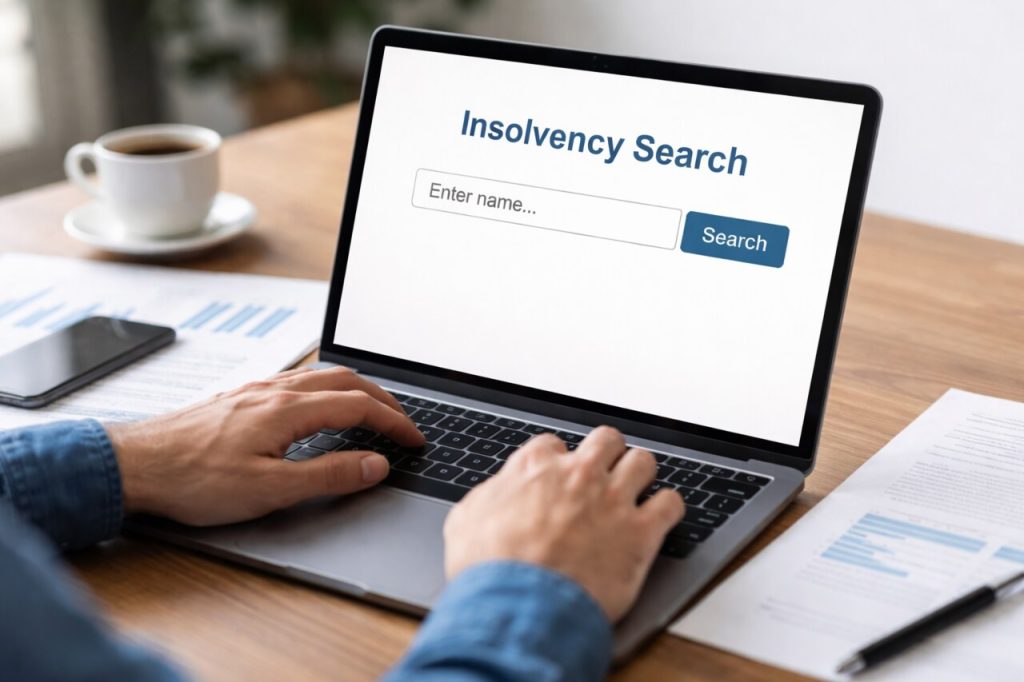
When people say “IVA Register”, they usually mean the Individual Insolvency Register. It is a public database for England and Wales maintained by the Insolvency Service. You can search it online by name, and in some cases by trading name (for sole traders).
An IVA is listed on that register for the duration of the arrangement, so that creditors and others can verify that the IVA exists and who is supervising it.
It helps to separate two things that often get mixed up:
- The IVA Register (public): a searchable listing while the IVA is active, then it is removed shortly after it ends.
- Your credit file (not public in the same way): lenders and credit reference agencies may still record the IVA for longer.
If you want a simple explainer, our insolvency glossary can help you make sense of the language without the jargon.
What Appears on the IVA Register?
The register is not designed to share your full financial history. It is there to confirm that an IVA exists and to show the key administrative details. In practice, an IVA entry commonly includes:
- Your name (and sometimes any known alternative names)
- Your last known address
- The type of insolvency procedure (IVA)
- Key dates (including when it began)
- The name and address of the insolvency practitioner or firm supervising the IVA
The Insolvency Service’s own IVA key facts confirm that your IVA is added to the online public register for the duration of the IVA.
Can your address be withheld?
In most cases, the register shows a last known address. In limited circumstances, some details can be restricted. That is usually linked to safety or vulnerability concerns, rather than preference.
If this worries you, it is worth getting advice that is specific to your situation, before you assume there is no flexibility.

Who Can See the IVA Register?
The blunt answer is that anyone can search it online. There is no special permission needed. The online service is public and designed to be searchable by name.
That said, there is a big difference between “public” and “widely viewed”. Most people are not casually browsing insolvency registers. Searches tend to be purposeful.
People who may search include:
- A landlord or letting agent carrying out checks
- Lenders assessing risk
- A supplier deciding whether to offer credit terms
- Someone doing due diligence for a role involving financial responsibility
You may also be concerned about professional reputation. If that is your worry, it helps to remember that the register does not give a narrative. It does not explain why you entered an IVA, what led up to it, or what has changed since. It simply records that it exists.
If you need help understanding how your IVA is administered, and what your insolvency practitioner will do, our guide to the responsibilities of an insolvency practitioner explains the role in plain English.
How Long Does an IVA Stay on the Register?
Your IVA will be on the online public register for the duration of your IVA and will then be removed 3 months after it has ended. Information may remain active for up to 3 months following notification of completion (or equivalent updates) to the Insolvency Service.
What counts as “ended”?
An IVA can end in more than one way, for example:
Completed: you finish the terms and the IVA is successfully concluded
Terminated/failed: it ends early because terms were not met, or it is formally brought to an end
Revoked: in rarer cases, it is set aside
The register removal timeline still generally follows the “up to 3 months” approach after the Insolvency Service is notified.
What if your IVA ended but it is still showing?
This can happen for practical reasons rather than anything you have done wrong. The key factor is often whether the Insolvency Service has received and processed the relevant notification.
If it has been more than three months since the IVA ended, it is sensible to check:
- Whether your supervisor has issued the completion or termination paperwork
- Whether they have notified the Insolvency Service
- If the register has updated accordingly

Free Confidential Advice & Quote


How Timeframes Differ for Credit Files
Even when your IVA disappears from the IVA Register, you may still see it referenced elsewhere. The most common place is your credit file.
Many people expect the register removal to mean the IVA has “vanished”. In reality, it has simply been removed from the public register as it is no longer active.
Your credit file can show the IVA for longer. This is why you may still have difficulties obtaining mainstream credit, even after your register entry has been removed.
If you are weighing up an IVA, this difference matters. It can affect plans like moving home, refinancing, or applying for finance.

Why Speak to a Licensed Insolvency Practitioner Before Agreeing to an IVA?
An IVA is a formal insolvency procedure. It can be a good solution in the right circumstances, but it has important implications. Before you sign to anything, be sure you understand:
- What the IVA commits you to each month
- What happens if your income changes
- How assets are treated
- How fees are taken
- What the alternatives are, and why they may or may not suit you
An IVA should be recommended because it is appropriate, not because it is convenient.
If you want reassurance that you are speaking to the right kind of professional, work with a licensed insolvency practitioner. Licensing exists for a reason. It provides standards, oversight, and a clear route for complaints if something goes wrong.
Common Questions and Answers
“Will my employer find out?”
In most jobs, employers are not routinely searching the register. But some roles do involve checks, especially where you handle money, client funds, or have certain regulatory responsibilities.
If you are worried, get advice before you act. In some cases, there are also obligations in your employment contract or professional rules that you may need to follow.
“Will this affect renting or moving home?”
Letting agents and landlords vary. Some focus on affordability, some run credit checks, and some will search public sources.
If moving is likely during the IVA period, plan for it early. It is easier to manage this with honesty, documents, and a clear explanation than it is to scramble at the last minute.
“What if I’m a director and I’m worried about knock-on effects?”
If you are dealing with business financial distress alongside personal pressure, the IVA Register can be just one piece of the puzzle. Another common concern is whether business difficulties can pull you into personal exposure through things like personal guarantees after liquidation.
That is exactly the point where joined-up advice matters. You want to understand the personal side and the business side together, not in isolation.
Fees Associated with an IVA
There are legitimate professional costs in setting up and supervising an IVA, and they should be explained clearly, up front. You should be able to see what fees are proposed, what they cover, and how they are approved.
If you want a straightforward explainer on how charges are commonly structured, our guide to insolvency practitioner fees breaks it down in plain English.
A useful rule of thumb: if you do not understand how the fees work, pause and ask. You are entitled to clarity before you commit.
How to Check the IVA Register
If you want to see what is listed, you can use the Insolvency Service search page to look up the Individual Insolvency Register by name.
When you check it, make a note of:
- The exact spelling of your name
- Any middle names or initials included
- Address details
- The supervisor’s name and firm
- The IVA start date and current status
If something looks wrong, take a screenshot. It is a simple step, but it can make later conversations much easier.

What to Do If the IVA Register Information Looks Wrong
Errors happen: a spelling issue, an old address, or failure to update the entry once the IVA has ended. Here is the usual best route to take to rectify things.
Step 1: speak to your IVA supervisor or insolvency practitioner
Your supervisor is typically the most direct route to a correction, because they are the person responsible for the IVA’s administration and notifications.
This is also a good moment to check you understand the paperwork you have. For example, if you have completed the IVA, ask for the completion certificate and confirmation that the Insolvency Service has been notified.
Step 2: check whether the update has been processed
Remember the “up to three months” window. If the IVA has only recently ended, the entry may still be within the normal timeframe.
Step 3: escalate if needed
If you are not getting a clear answer, you can ask for written confirmation of what has been submitted and when. Keep communication calm and factual. Dates matter here.
If you are uncomfortable dealing with it alone, we can help you get clarity and take the right steps.
What If the Entry Is Still on Google After the IVA Has Ended?
Even after a register entry is removed, search engines can sometimes display older cached results for a period. It does not mean the IVA is still active. It often means the search engine has not refreshed what it last saw.
The practical steps tend to be:
- Confirm the entry is removed on the register itself
- Keep evidence (screenshots and completion paperwork)
- If a cached result persists, use the search engine’s own removal or refresh tools where appropriate
If this is causing you real stress, talk it through with a regulated adviser. Sometimes reassurance, plus a clear plan, is enough to take the sting out of it.
Sectors We Support
We support company directors in every sector, from construction firms and logistics companies to pubs, cafés, restaurants, hotels, retailers and manufacturers. Our advice is always clear, confidential and shaped by real experience in your industry. Whether you’re dealing with unpaid tax, supplier pressure or falling income, our team understands the challenges and will guide you through the best next steps.
When Is an IVA the Right Step?
An IVA can work well when:
- You have a steady income you can rely on
- You need protection from creditor pressure
- You want a structured plan rather than informal arrangements
- There is a clear path to completing the terms
It may not be the right fit when:
- Income is unpredictable and likely to dip
- The budget is already too tight to sustain payments
- Another solution offers a cleaner outcome
The goal is not to “pick the most common option”. The goal is to pick the option that you can complete.
Next Steps
If the IVA Register is worrying you, you do not have to guess. A short conversation can usually bring things into focus.
At Anderson Brookes, we give calm, regulated guidance and explain your options in plain English. If you are facing pressure from debts, creditor demands, or business-related strain, our insolvency advisory support can help you understand the best route forward.
Call us on 0800 1804 935, email us at advice@andersonbrookes.co.uk, or get in touch online. Tell us what is happening, what you are worried about, and what outcome you want. We will help you understand what the IVA Register means in your situation, and what to do next.
