
Retail has always been a tight-margin sector. But the pressure now facing many shops is not just a short-term dip in trade. It reflects a deeper shift in how people shop, how costs are structured and how quickly debt can build when sales no longer cover fixed overheads.
The UK retail sector is being reshaped by lower footfall, online competition, rising employment costs, business rates, energy prices, HMRC arrears and pandemic-era borrowing. For many retailers, the problem is not that sales have stopped. It is that the business no longer produces enough profit after rent, wages, stock, utilities, tax and debt repayments are paid.
In this article, we’ll explain the sectoral pressures affecting UK retail, and include a free downloadable report on the distress businesses are facing.

Key Insolvency Figures
In 2025, wholesale and retail businesses accounted for 3,728 company insolvencies. That represented 16% of all company failures across England and Wales, making the sector second only to construction.
More than 13,000 chain store closures were also recorded in 2025. The pressure is not limited to large names. Smaller shops, specialist retailers and small multi-site businesses often have less room to absorb shocks, especially where leases, staffing costs and stock commitments were set before current trading conditions became clear.
The Insolvency Service’s company insolvency statistics provide the official backdrop to these trends, but the retail-specific picture is about more than headline insolvency numbers. The issue is the combination of pressures arriving at once.
Why Retail Is Under Pressure
There is no single reason for rising retail insolvencies in the UK. Instead, there are several connected issues.
High street footfall remains below pre-pandemic levels in many locations. Passing trade is weaker, and the gap has become structural for some town centres. Retail parks have often performed better, but many traditional high streets are still operating with fewer shoppers than their business models were built around.
Online competition has also changed customer behaviour. Price comparison is easier. Delivery is expected. Returns are simpler. Physical shops can still offer service, immediacy and experience, but those advantages do not always offset higher property and staffing costs.
The latest ONS retail sales data shows that sales movements can vary from month to month and category to category. That volatility matters. A short improvement in sales does not always repair the underlying cash flow damage caused by months of squeezed margins.
At the same time, the fixed cost base has risen. Key pressure points include:
- higher labour costs and employer National Insurance contributions
- business rates and the effect of revaluations
- energy contract renewals
- supplier price increases
- card processing fees
- rent commitments agreed in stronger trading conditions
- VAT, PAYE or Corporation Tax arrears
- Bounce Back Loan or CBILS repayments
For a retailer already operating on narrow margins, one of these issues may be manageable. Several at once can make the business unsustainable.

Free Download: Retail Sector Distress Report
Our full Sector Distress Report goes into greater detail on the issues affecting UK retail. It’s free to download, and looks at the state of the sector, which retailers are most exposed, the cost pressures affecting shops, HMRC and late payment risks, warning signs, formal and informal options, and the personal risks directors need to understand.
The report is designed to help you assess the position clearly and decide whether it is time to take advice. Downloading it does not commit you to any course of action. It gives you a practical starting point.
Warning Signs to Watch Out For
A retail business can still look active while becoming financially distressed. Customers may still be coming in. Sales may still be made. The issue is whether the business can meet its debts as they fall due and whether the balance sheet remains healthy.
Common warning signs include:
- cash flow becoming tight around rent, VAT or payroll dates
- suppliers reducing credit terms or asking for payment upfront
- stock orders being delayed to preserve cash
- VAT, PAYE or Corporation Tax falling behind
- debt repayments becoming difficult to maintain
- personal funds being used to support day-to-day trading
- landlords or creditors issuing formal demands
- sales declining for several months without a clear seasonal reason
- gross margin falling because discounting is needed to maintain volume
If several of these apply, it is worth reviewing the position with a licensed insolvency practitioner. That does not mean liquidation is inevitable. It means you have more options while there is still time to act.
For a broader explanation of how insolvency works, our guide to business insolvency and liquidation explains the main concepts in plain English. You can also read our guide to key terms in insolvency if you are unsure about the language used by creditors, HMRC or advisers.
Recognise these warning signs? Get advice from a licensed insolvency practitioner today. Call us on 0800 1804 935 or email advice@andersonbrookes.co.uk.
Impact of HMRC Arrears
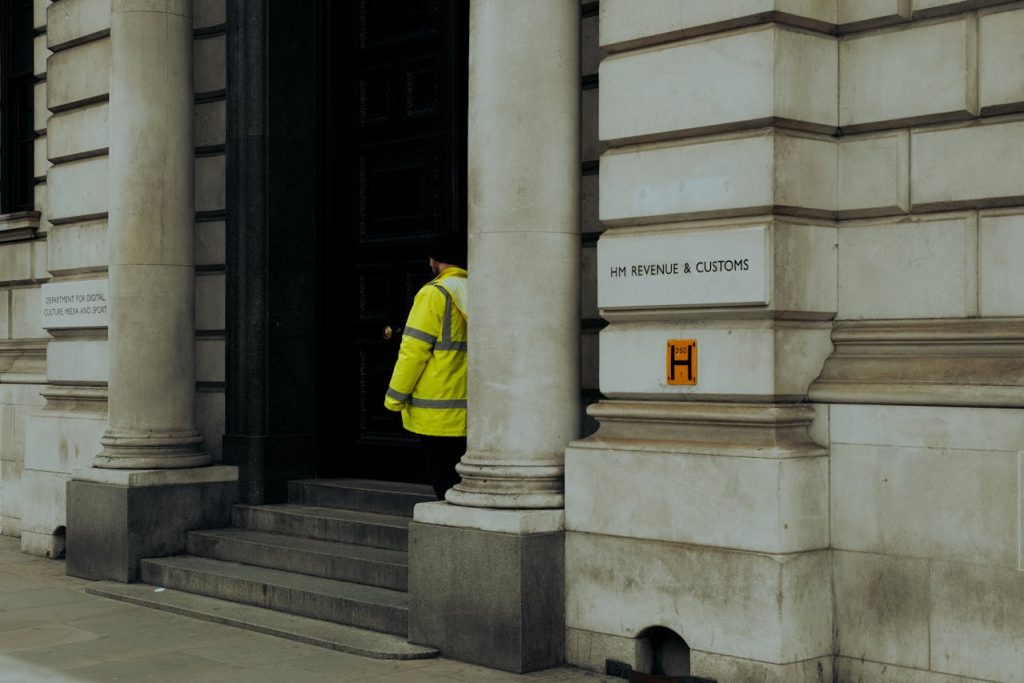
HMRC debt is a common pressure point in retail. VAT, PAYE and Corporation Tax can build quickly when cash is being used to cover rent, wages and suppliers.
If you cannot pay a tax bill in full, HMRC says you may be able to set up a payment plan to pay in instalments. This is often referred to as a Time to Pay arrangement.
The key point is timing. A Time to Pay arrangement is more likely to be considered when you approach HMRC early, keep up with current tax liabilities where possible, and can show a realistic repayment plan. Waiting until enforcement action begins can reduce the options available.
Where HMRC arrears sit alongside rent arrears, supplier pressure or loan repayments, it may be time to get advice on insolvency in the UK and what steps are appropriate.
What Options May Be Available?
The right option depends on whether the underlying business is viable. A business may be viable if it can trade profitably once historic debt, rent pressure or temporary arrears are dealt with. If it cannot realistically return to a sustainable position, a formal closure process may need to be considered.
Lease renegotiation
For many retailers, rent is one of the largest fixed costs. If the location is still viable but the rent is not, a landlord may consider a negotiated solution. This could include a rent reduction, rent-free period, turnover-based rent or agreed surrender.
This is usually easier before arrears become unmanageable.
HMRC Time to Pay
If the main issue is tax arrears, a Time to Pay arrangement may help spread the debt over an agreed period. It does not remove the debt, but it can provide breathing space if the business can meet ongoing tax and trading costs.
Refinancing
Where there are stock, equipment or receivables, refinancing may be considered. This needs caution. New borrowing should only be taken where the business can realistically service it. Otherwise, it may delay the problem and increase the eventual shortfall.
CVA
A Company Voluntary Arrangement, or CVA, allows a company to make a formal proposal to creditors while continuing to trade. It can be useful in some larger or multi-site retail cases, particularly where lease obligations need to be restructured. It is less common for smaller retail companies because of cost and complexity.
CVL
If the company is insolvent and cannot be rescued, a CVL may be the most appropriate route. CVL stands for Creditors’ Voluntary Liquidation. It is a director-led liquidation process used when a company cannot pay its debts and there is no realistic prospect of recovery.
Our guide to the types of liquidation explains how CVL differs from compulsory liquidation and members’ voluntary liquidation. If cost is a concern, you can also read about low-cost business liquidation and what is involved.
Director Duties During Insolvency
When a company becomes insolvent, directors’ duties change. The focus shifts from shareholders to creditors. The Insolvency Service guidance on director duties upon insolvency explains that directors should protect company assets, treat creditors properly and avoid worsening the position for creditors.
In retail, this can be difficult because trading often feels seasonal. It may be tempting to keep going until the next sale period, Christmas, summer footfall or a new product line. But if the company is already insolvent, continuing to take stock, accept customer orders or build further debt can create personal risk.
Areas that often need careful review include:
- personal guarantees on leases, loans or supplier accounts
- overdrawn director’s loan accounts
- unpaid VAT, PAYE or Corporation Tax
- stock transfers before insolvency
- payments made to some creditors ahead of others
- whether continued trading is in creditors’ interests
For quick answers to related issues, our common insolvency questions page covers practical points that often come up when pressure is building.
Frequently Asked Questions
Why are retail insolvencies rising in the UK?
Retail insolvencies are rising because many shops are facing pressure from several directions at once. Lower high street footfall, online competition, rising wages, business rates, energy costs, rent, supplier prices and HMRC arrears can all reduce already tight margins.
A retail business may still be making sales but no longer producing enough cash to meet all its liabilities. That is when financial pressure can become more serious.
How do I know if my retail business in insolvent?
A company may be insolvent if it cannot pay its debts when they fall due, or if its liabilities are greater than its assets. Warning signs include missed VAT or PAYE payments, overdue supplier accounts, rent arrears, pressure from creditors, or using personal funds to keep the business going.
If you are unsure, it is sensible to speak to a licensed insolvency practitioner. They can help you assess whether the company is solvent and what options are available.
Can a retail business recover from financial difficulty?
Yes, in some cases. If the underlying business is viable, options may include lease renegotiation, HMRC Time to Pay, refinancing, cost reduction or a formal restructuring process such as a Company Voluntary Arrangement.
The earlier you take advice, the more options are likely to remain. Waiting until creditors begin enforcement action can make recovery harder.
Can I keep trading if my company is insolvent?
Continuing to trade while insolvent can be risky. Once a company is insolvent, directors must consider the interests of creditors. Taking on new stock, accepting customer orders or increasing debt when there is no reasonable prospect of repayment may create personal risk.
This does not always mean trading must stop immediately, but it does mean you should get professional advice before making further commitments.
Is closing a business the same as liquidation?
Not always. A solvent company may be closed through a voluntary strike-off or, in some cases, a Members’ Voluntary Liquidation. An insolvent company usually needs a formal insolvency process, such as a Creditors’ Voluntary Liquidation.
The right route depends on whether the company can pay all its debts in full. If it cannot, simply trying to close the company without dealing with creditors properly can create further problems.
When should I contact Anderson Brookes?
You should contact Anderson Brookes as soon as cash flow pressure, HMRC arrears, rent demands, supplier debts or creditor action start to feel difficult to manage.
Getting advice does not commit you to liquidation. It gives you a clear view of your options, your responsibilities and the practical steps available. Anderson Brookes offers confidential guidance from licensed insolvency practitioners, so you can make an informed decision before matters escalate.
Get Advice Early
The biggest mistake is often waiting too long. Retail problems can build slowly: a difficult quarter, a poor season, a supplier tightening terms, a tax bill delayed, then another. By the time a statutory demand, winding-up petition or landlord action arrives, the available options may be much narrower.
Speaking to a licensed insolvency practitioner does not mean you have decided to close the company. It gives you a clear view of the position, including whether the business is solvent, whether a rescue or restructuring option is realistic, what personal exposure may exist, and what happens if liquidation is required.
Anderson Brookes works with companies facing HMRC arrears, creditor pressure, lease problems, Bounce Back Loan issues and liquidation decisions. We will explain your options clearly, without pressure or judgement.
If retail trading pressure is becoming difficult to manage, contact Anderson Brookes for confidential advice. We can help you understand where you stand and what practical steps may be available. Call us on 0800 1804 935, email us at advice@andersonbrookes.co.uk, or contact us online.
