
If you’ve received a winding-up petition, it can feel like the ground has shifted overnight. You might be trying to keep trading, protect jobs, and deal with urgent creditor pressure, all at the same time.
But there is one rule you need to understand early on: section 127. It can make certain company payments or transfers a void disposition, meaning they may be treated as if they never happened. In this guide, we explain what section 127 means in plain English, the common pitfalls to avoid, and what you can do next to protect your business and make informed decisions.
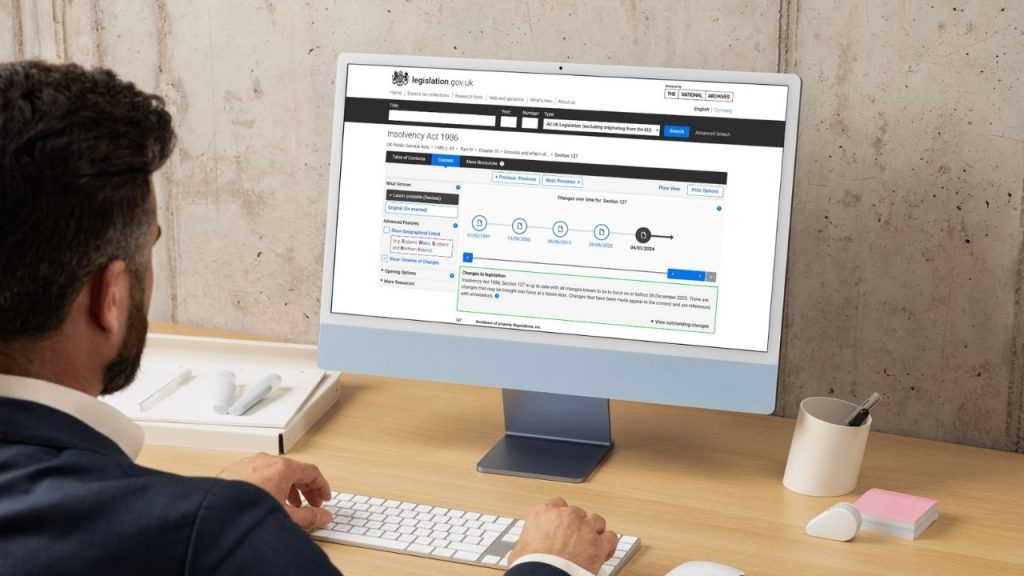
What Is Section 127 of the Insolvency Act?
Section 127 is a rule in insolvency law that can affect what your company is allowed to do with its money and assets once a winding-up petition is in play.
In simple terms, it says that after a winding-up petition has been presented to the court, any “disposition” of the company’s property can be treated as void unless the court orders otherwise. You can read the wording in section 127 of the Insolvency Act 1986.
What Is a Disposition?
A disposition is when any value leaves the company. That can include:
- Paying money out of the company bank account
- Transferring assets (like stock, vehicles, machinery, or equipment)
- Selling something the company owns
- Granting security over assets (for example, a charge)
- Transferring shares (in some situations)
The key point is this: even normal, day-to-day payments can become risky once section 127 applies.
Why Does Section 127 Exist?
It is there to protect fairness. If a company is facing compulsory liquidation, the law aims to stop one person getting paid or protected at the expense of everyone else. Section 127 helps prevent last-minute deals, preferential payments, or assets being moved out of reach.
What This Means for You Right Now
If you have a winding-up petition hanging over the company, you should assume that:
- Some transactions could be challenged later
- Your bank may take a cautious approach
- A “common sense” payment can still cause problems if it is not handled properly
If you are unsure what you can safely pay, spend, or transfer, getting regulated help early can protect you from making a stressful situation worse.
What Is a Void Disposition?
A void disposition is a payment or transfer made by your company that the law may treat as invalid because of section 127. Unless the court allows the payment to go ahead, the transaction can be treated as if it never happened.
What this means is that, if money leaves your business after a winding-up petition has been lodged with the court, that payment may later be unwound. The person who received it could be asked to return it. The company may also have to explain why it happened.
Put simply, a void disposition is:
anything of value that leaves your company, at the wrong time, without the right protection in place
That value might be cash, stock, equipment, or even rights in a contract.

Common Examples That Can Become a Problem
These are the sorts of things that often catch people out:
- Paying suppliers to keep orders moving
- Paying one creditor because they are applying the most pressure
- Moving funds between accounts
- Selling a vehicle, tool, or item of equipment
- Repaying a director’s loan account
- Paying dividends or making unusual payments to insiders
- Transferring assets to another business “temporarily”
- Agreeing new security for a lender (for example, granting a charge)
None of these actions automatically means you have done anything improper. The risk is that section 127 can still make them void if the court does not approve them.
Why “Normal Trading” Can Still Create Risk
It is easy to assume: “This is a genuine business cost, so it must be fine.”
Unfortunately, section 127 is not based on whether the payment feels reasonable. It is about protecting creditors as a whole. If the company later enters compulsory liquidation, the law is designed to stop the company’s assets being reduced in a way that disadvantages others.
What Can Happen If a Transaction Is Treated as Void
If a payment or transfer is classed as a void disposition, it can lead to:
- The transaction being reversed
- A demand for repayment from the person or business paid
- Further scrutiny of how the company was run during the period
- More pressure on cash flow, right when you can least afford it
It can also make your next steps harder. For example, it may complicate negotiations, settlement discussions, or attempts to keep the business trading.
What to Do Before Making Any Significant Payment
If a winding-up petition is active, make sure to:
- Pause non-essential payments
- Avoid moving money between accounts unless you have clear advice
- Keep a simple written note of why any urgent payment is needed
- Speak to a licensed insolvency practitioner before you act

The Impact of a Winding-Up Petition
Once a winding-up petition has been presented, the pressure is not just legal. It becomes practical, fast. What you do in the next few days can protect your options, or narrow them.
Changes to Expect Even If Still Trading
You can still have customers, work in progress, staff to pay, and bills due. But section 127 means some “business as usual” decisions can carry real risk.
A few things tend to happen quickly:
- You may find suppliers tighten terms or stop supplying
- Cash flow becomes harder to manage day to day
- Creditor contact can ramp up
- You may need to evidence why any payment is essential, not just urgent

Frozen Bank Accounts
One of the biggest shocks is when your bank accounts are frozen after a winding-up petition.
Banks are often cautious because movements of money can later be challenged as a void disposition. In many cases, accounts are frozen after the petition is advertised in The Gazette, which makes the situation more visible.
When that happens, it can affect almost everything, including:
- Wages and PAYE
- Key suppliers
- Insurance and utilities
- Ongoing contracts and customer deliveries
- VAT and other time-sensitive payments
It can feel like the business is being forced to stop, even before you have had a chance to put a plan in place. That is why early, regulated advice matters.
For advice when you need it most, call Anderson Brookes on 0800 1804 935, or contact us online. We’ll help to explain the what directors need to know about winding-up petitions and the key terms in insolvency and guide you through the process with confidence.
Sectors We Support
We support company directors in every sector, from construction firms and logistics companies to pubs, cafés, restaurants, hotels, retailers and manufacturers. Our advice is always clear, confidential and shaped by real experience in your industry. Whether you’re dealing with unpaid tax, supplier pressure or falling income, our team understands the challenges and will guide you through the best next steps.
Section 127 Pitfalls to Avoid
When section 127 is in the background, the biggest risk is not always what you do. It is what you do quickly, under pressure, without protection in place. Below are some of the common mistakes to avoid to ensure you don’t fall foul of the rules.
Paying One Creditor “Just to Buy Time”
It is natural to want to calm the loudest creditor. But choosing who gets paid can create problems later, especially if it reduces what is available for everyone else.
Safer approach: get a plan in place before you make any payments.
Making Payments to Connected Parties
This includes things like repaying director loans, paying family-run suppliers ahead of others, or making unusual “catch-up” salary payments.
Even if your intention is fair, these transactions are more likely to be questioned if the company enters compulsory liquidation.
Safer approach: take advice before you move any money that could look connected or unusual.
Selling Assets Too Quickly or Cheaply
Selling a van, equipment, stock, or a customer list to raise funds can backfire if it is done at the wrong time, at an undervalue, or without a clear paper trail.
Safer approach: do not rush asset sales. If a sale is essential, it needs to be done properly and evidenced.
Moving Money Between Accounts
Switching banks, opening a new account, or routing trading through another account can feel like a practical fix. It can also create a messy trail and increase the risk of transactions being challenged as a void disposition.
Safer approach: assume every movement of funds needs to be justified. Get guidance before you change how money flows.
Paying Wages, Suppliers or Taxes Without a Clear Basis
These payments can be genuinely necessary. They can also be high-risk if they are made without the right protection.
If your bank has frozen the account, acting in panic can make things worse. A validation order may be needed to access funds in some cases.
Safer approach: list what must be paid to avoid immediate harm, then take advice on the safest way to do it.
Granting Security to a Lender
Agreeing a new charge or security can change who gets paid first if the company collapses. That is exactly the kind of last-minute shift section 127 is designed to prevent.
Safer approach: do not agree new security, or revised repayment deals, without regulated advice.
Changing Ownership or Restructuring “On the Fly”
Share transfers, moving assets into a new company, or trying to “phoenix” a business informally can create serious issues. Even if you think you are protecting jobs and customers, the law will still look at timing, value, and fairness.
Safer approach: if a restructure is possible, it needs to be planned and documented properly.
Check Before You Approve Any Payment
If you are unsure, ask yourself:
- Does this reduce company assets in a way that could disadvantage other creditors?
- Would you feel comfortable explaining this decision to a court?
- Is there a safer route, such as formal approval or a different plan?
Validation Orders: When Might the Court Approve Payments?
A validation order is a court order that can “validate” certain payments or transactions that would otherwise risk being treated as a void disposition under section 127.
Put simply, it is a way to ask the court to confirm that specific transactions can go ahead, even though a winding-up petition has been presented. This is often relevant when you need to keep the business stable in the short term, or protect value for creditors as a whole.

When a Validation Order May Be Needed
You might consider a validation order if:
- Your bank has frozen the company account, or is refusing to process payments
- You need to make essential payments to prevent immediate damage
- You want to continue trading for a short period while you explore options
- A transaction is necessary to preserve the value of the business, not strip it out
It is not a “blanket permission” to keep spending. It is usually focused on specific payments, over a specific period, for a clear reason.
What a Validation Order Can Cover
This depends on your situation, but common examples include:
- Wages and essential staff costs
- Critical suppliers needed to fulfil orders
- Insurance, rent, utilities, and key overheads
- Payments that protect assets or prevent contracts being lost
The theme is always the same. The payment needs to be justifiable. It needs to support the wider position, not worsen it.
What the Court Will Usually Want to Understand
A validation order application is evidence-led. You typically need to show, clearly and calmly:
- What payments you want to make and why
- How the business is trading right now
- Whether trading will improve the position for creditors, or at least not make it worse
- That the transaction is proper, and at fair value
- That you are not favouring one party unfairly
This is one reason section 127 causes so much stress. You are often trying to run a business while also proving every key decision is reasonable.
It is tempting to think, “We’ll just pay wages and a couple of suppliers and sort the rest later.” But if a payment later becomes classed as a void disposition, you may create more problems, not fewer. The recipient may be asked to return the money. Your options may narrow. And your stress levels will rise.

How We Help with Validation Orders
When you speak to Anderson Brookes, we focus on helping you make safe, defensible decisions quickly. That can include:
- A clear review of what has happened so far
- Guidance on what to pause and what may be essential
- Support to prepare information in a way that stands up to scrutiny
- A calm plan for what happens next, with your risks clearly explained
Free Confidential Advice & Quote


Practical Options and Next Steps
When a winding-up petition is live, it is easy to feel like there is only one outcome. That is rarely true. What matters is choosing a route that is realistic, legal, and protects you from unnecessary risk under section 127.
Below are the most common next steps, and how we can support you.
Get Clarity on the Petition and Act Early
Start with the basics:
- Who has presented the petition, and why?
- Is the debt correct, and is it genuinely owed?
- Are there any disputes, errors, or missing information?
- What deadlines are coming up, including the hearing date?
Even if you do not have all the answers yet, you can still take sensible first steps. If you are unsure about the wider process, it can help to get advice on winding-up petitions from the licensed insolvency practitioners at Anderson Brookes and build your plan from there, rather than reacting to every call or email.
Negotiate, Settle or Agree a Structured Plan
Sometimes the petition can be resolved by payment, a settlement, or a credible repayment proposal. The key is doing it in a way that does not create new problems under section 127.
This is where people often need support. It is not just about “can we pay”. It is also:
- who gets paid
- when they get paid
- how the payment is funded
- whether the payment is safe to make
If you are dealing with multiple pressures, our team can help you step back, prioritise, and approach creditors with a clear plan that reflects your actual position, including the reality of business debt.
Keep the Business Stable While You Explore Solutions
In some cases, continuing to trade for a short period can protect value. It can also preserve relationships with customers and suppliers.
But when section 127 applies, you need to be careful. If essential payments are required, you may need to explore a validation order so that wages and critical costs can be handled properly. This can be relevant where access to a bank account is affected after a petition.
This is where calm, regulated planning makes a difference. You want a solution that keeps you compliant, not a short-term fix that creates long-term fallout.
Prepare for a Winding-Up Order and Protect Yourself
If the petition cannot be stopped, or if the debt situation is too severe, you may need to prepare for a possible winding-up order.
This does not have to be chaotic. Taking advice early can help you:
- understand what the court process is likely to look like
- protect records and demonstrate you have acted responsibly
- reduce disruption where possible
- make sure decisions are explainable, consistent, and properly documented
Get Regulated Insolvency Advice
If you are carrying ongoing financial pressure, or the petition is a symptom of a wider issue, you may need broader support than a one-off fix.
That is exactly what our insolvency advice
service is designed for. We help you understand your options, the risks, and the likely outcomes, in plain English. Then we help you act.
What to Do Next: Simple Checklist
- Don’t make any further payments until you have advice
- Keep a clear list of urgent costs (wages, key suppliers, essential overheads)
- Avoid moving funds or assets around “to buy time”
- Gather key documents (petition, recent accounts, bank statements, creditor list)
- Speak to a licensed insolvency practitioner so you can choose a safe route
How a Licensed Insolvency Practitioner Can Help with Section 127
When you are under the pressure of a winding-up petition, it is easy to fall into “urgent mode”. You make decisions just to keep the lights on. That is exactly when section 127 can trip you up.
A licensed insolvency practitioner is trained and authorised to guide you through this, and to help you make decisions that are fair, evidence-based, and defensible.
Why Getting the Right Advice Matters
Getting infomal advice can be risky. You might hear well-meaning suggestions like “just open a new account” or “pay this creditor and it’ll go away”. That kind of advice can create serious problems under section 127. Even if your intentions are good, the timing and the paper trail matter. And once money has moved, it can be hard to undo.
Getting regulated advice from an insolvency practitioner, meanwhile, gives you access to practical support that helps you stay steady when things are moving fast, including:
- A clear view of what you can and cannot do right now
- A plan for essential payments, without creating avoidable risk
- Help preparing the information needed for steps like a validation order
- A calm explanation of options, outcomes, and next steps
- Support that is focused on your situation, not generic templates
Just as importantly, it gives you peace of mind. You do not have to guess.
At Anderson Brookes, we help you make safe decisions quickly. For support with winding-up petitions, call 0800 1804 935 or email advice@andersonbrookes.co.uk.
FAQs About Section 127 and Void Dispositions
Can you keep trading after a winding-up petition?
Sometimes, yes. But you need to be careful. Section 127 does not automatically stop trading. What it does is make certain payments or transfers risky. If money leaves the business and it is later treated as a void disposition, it can be reversed. That can create even more pressure. A safer starting point is to pause non-essential payments, list what is genuinely urgent, and get advice before you commit to anything significant.
Can you still pay wages?
Wages are often essential. They are also one of the areas where people can get caught out, because “essential” does not always mean “safe”. If wages need to be paid to protect the business and avoid immediate harm, there may be routes to handle this properly. The important thing is not to guess. Get clear guidance on what can be paid, when, and on what basis.
What if you paid a supplier after the petition, but before you knew?
This happens more often than you might think. Section 127 is tied to when the petition is presented, not when you personally became aware of it. That does not mean you have done anything wrong. It does mean the payment could be looked at later if the company enters compulsory liquidation.
If this has happened, keep it simple:
- Don’t try to “balance it out” by making more payments
- Keep a clear note of what was paid and why
- Get advice quickly so you do not repeat the problem
Why do banks freeze company accounts?
Banks tend to act cautiously because payments made after a petition can potentially be challenged as void dispositions. A freeze can feel sudden and unfair, especially when you are trying to deal with urgent costs. But it is a common practical impact of a petition, and it is one of the reasons early advice matters. The sooner you have a plan, the more control you usually have.
Can you pay HMRC or the petitioning creditor to make it go away?
Sometimes a petition can be resolved, but it depends on the facts. If you pay one creditor while others remain unpaid, you can create new risks. Even where the debt is undisputed, the timing and method of payment matter. You also need to be confident you are not making the overall position worse. If settlement is realistic, it is usually best handled as part of a wider plan, rather than a rushed payment made under pressure.
Is moving assets into a new company allowed?
This is one of the biggest traps. Trying to “move the good stuff” into a new company, even temporarily, can create serious problems. It can also reduce trust and make negotiations harder. If there is a legitimate restructure or sale that could protect value, it needs to be done properly, at fair value, and with the right safeguards. Informal fixes tend to backfire.
What is a validation order, in one sentence?
It is a court order that can allow specific payments or transactions to go ahead safely, even though section 127 would otherwise make them risky.
What should you do first if you are unsure?
Focus on control and clarity:
- Pause non-essential payments
- Avoid moving money or assets around
- Gather your key information (petition, bank statements, creditor list)
- Speak to a licensed insolvency practitioner so you can make safe decisions
Get Clear Advice
A winding-up petition is serious. But you do not have to face it alone, and you do not have to guess your way through section 127.
If there is one message to take from this guide, it is this: a well-intended payment can still become a void disposition if it is made at the wrong time, in the wrong way, without the right protection.
If you need clear, regulated support, we can help you understand your position and make safe decisions quickly, including guidance on section 127, void dispositions, and validation orders where appropriate.
You can call us on 0800 1804 935 or use our contact form.
